What Is a Listed Building? A Guide for London Property Owners
Plenty of London property owners only discover their building is listed when they try to change something about it. A new kitchen extension gets flagged at planning. A straightforward window replacement turns into a much longer conversation with the council. If that sounds familiar, or you are simply trying to understand what you have bought, taken on as a tenant, or are considering buying, here is what listed status actually means, why it matters, and what to do next.
This guide covers the legal basis for listing, how the three grades work, what triggers listing in the first place, what Listed Building Consent actually involves, what happens if work goes ahead without it, and the practical questions that come up most often from owners, landlords and buyers across Central London.
What Does It Mean For A Building To Be Listed
A listed building is one that has been placed on the National Heritage List for England because it is considered to be of special architectural or historic interest. Listing is a form of legal protection under the Planning (Listed Buildings and Conservation Areas) Act 1990, and in England it is administered by Historic England on behalf of the Secretary of State, following the statutory criteria set out by the Department for Culture, Media and Sport.
Once a building is listed, that protection covers more than the front elevation people usually notice. It applies to the whole building, inside and out, and can extend to fixtures, features and sometimes structures within the grounds, known as curtilage listing. There are currently around 400,000 entries on the National Heritage List for England, ranging from medieval churches to Georgian townhouses and post-war office blocks. A single entry can also cover more than one building, such as a full terrace.
Listing does not freeze a building in time or prevent it from being used. It simply means that any change likely to affect its special character has to go through a separate consent process before work starts.
The Three Grades Of Listing
Not every listed building is protected to the same degree. Historic England uses three grades.
| Grade | What It Means | Share of Listed Buildings in England |
|---|---|---|
| Grade I | Buildings of exceptional interest, such as Buckingham Palace or St Pancras station | Around 2.5% |
| Grade II* | Particularly important buildings of more than special interest, such as Battersea Power Station | Around 5.8% |
| Grade II | Buildings of special interest that warrant every effort to preserve them | Around 91.7% |
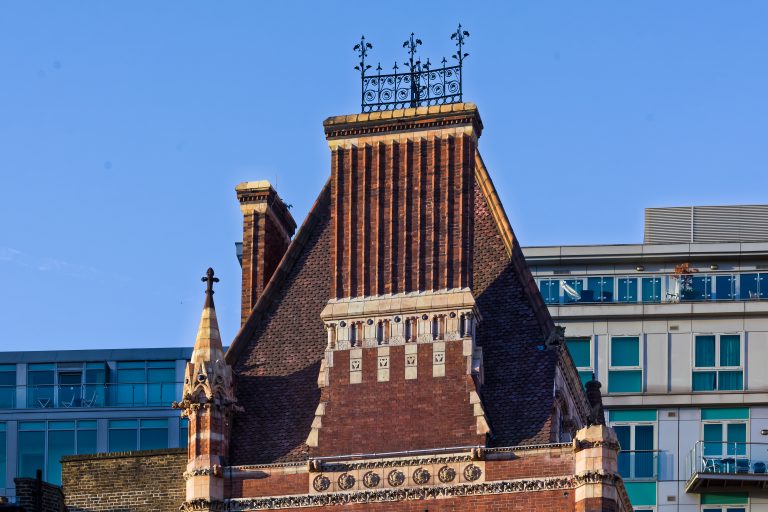
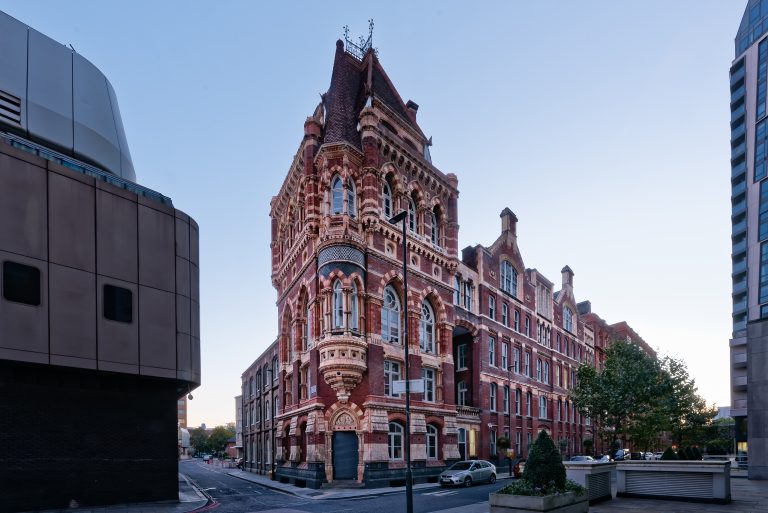
Most listed properties across Central London, including many of the Georgian and Victorian buildings we work on, fall into Grade II. Two recent F&T projects are good examples: 26 Rupert Street, a Grade II townhouse refurbishment on the edge of the Chinatown Conservation Area, and China Works in Vauxhall, a Grade II building where we project managed external restoration works for Workspace Group. That is worth knowing because it is easy to assume listing only applies to grand or unusual buildings. In practice, it is far more likely to affect an ordinary looking townhouse or shopfront than a palace.
Why Some Buildings Are Listed And Others Are Not
Historic England applies a broad set of criteria when assessing a building for listing, including its architectural interest, historic interest, and any close historical association with significant people or events. Group value also matters. A row of buildings that work well together, such as a Georgian square or a historic market street, can be listed as a group even if no single building would qualify alone. That is common across Fitzrovia, Covent Garden and Seven Dials.
Age plays a part too, as a general guide rather than a strict rule:
- Buildings from before 1700 are almost always listed if they survive in anything close to their original condition.
- Buildings from 1700 to 1840 are also usually listed.
- Buildings from 1840 to 1945 are listed more selectively, generally where they have clear architectural or historic merit.
- Buildings less than 30 years old are only listed in exceptional cases, typically where the building is of outstanding quality and under threat.
How Does A Building Get Listed
Anyone can apply to have a building listed, not just the owner. Applications go to Historic England, who assess the building against the statutory criteria and, where relevant, visit the site. Historic England then makes a recommendation to the Department for Culture, Media and Sport, and the Secretary of State makes the final decision on whether the building is added to the National Heritage List for England.
For owners, this means listing status can change on a property you already own, sometimes prompted by a neighbour, a local amenity society or a planning application that draws attention to the building. It is also why it is worth checking current status before relying on an old survey or a previous owner’s assumptions.
What Listed Status Means Day To Day
This is where most owners feel the impact. Any work that would affect a listed building’s character as a building of special interest requires Listed Building Consent, separately from standard planning permission. You may need both, or just one, depending on the project.
Consent is not limited to major works like extensions or structural alterations. It can also apply to things owners do not expect, such as replacing windows or doors, repointing brickwork with the wrong mortar mix, removing an internal fireplace, or altering historic plasterwork and staircases. Interior features are frequently protected as strictly as the exterior, sometimes more so.
Applications for Listed Building Consent are made to the local planning authority, which in Central London means the relevant borough council. For Grade I and Grade II* buildings, the council must also consult Historic England, and in some cases national amenity societies such as the Georgian Group, the Victorian Society or the Society for the Protection of Ancient Buildings, before making a decision.
Applying For Listed Building Consent
A well prepared application moves faster and is less likely to be challenged or delayed. In most cases you will need:
- Detailed drawings and a clear description of the proposed works
- A heritage statement explaining the building’s significance and how the proposals affect it
- Photographs of the building’s current condition, inside and out
- Supporting technical reports where relevant, such as a structural survey or specialist material analysis
The statutory target for a decision is eight weeks from a valid application, though more complex projects, or those requiring consultation with Historic England or an amenity society, often take longer. Early engagement with the local conservation officer before a formal application is submitted is usually the single biggest factor in keeping a project on schedule.
Carrying out work to a listed building without the required consent is a criminal offence under Section 9 of the Planning (Listed Buildings and Conservation Areas) Act 1990. It is what is known as an offence of strict liability, meaning it does not matter whether the works were carried out knowingly or not.
Unlike ordinary planning breaches, there is no time limit on enforcement action for unauthorised listed building work. A change made years ago without consent can still cause problems for the current owner, including at the point of sale. Consequences can include prosecution, an unlimited fine and, in serious cases, imprisonment, as well as an enforcement notice requiring the building to be reinstated to its previous condition at the owner’s expense.
Common Misconceptions Worth Clearing Up
A few assumptions come up often enough to mention directly.
- Only the exterior is protected. In most cases, interior features are protected too, sometimes more strictly than the outside.
- Past changes set a precedent. Unauthorised alterations made by a previous owner do not make similar work acceptable now, and the local authority can still ask for reinstatement.
- Listing only applies to grand or unusual buildings. Most listed buildings in London are Grade II, and many are unremarkable looking terraced houses, shops and offices.
- Listed status means you cannot change anything. It does not prohibit change, it means change has to be managed through the consent process.
How To Check If Your Building Is Listed
The most reliable way to check is to search the National Heritage List for England directly on the Historic England website, using the address or postcode. It is free to use and is the only official, up to date register. If your building sits within the curtilage of a listed building, such as an outbuilding or garden wall, it may also be protected even though it does not appear separately on the list. Where there is any doubt, it is worth confirming with the local planning authority’s conservation officer before committing to a project.
Buying Or Owning A Listed Property
A listed property can be a genuinely rewarding investment. You get a building with character, craftsmanship and a level of scarcity that new build stock simply cannot replicate, and in many parts of Central London that translates into strong long-term demand. Listing can also offer some protection against unwelcome changes to a building’s immediate surroundings.
Against that, maintenance and alteration costs are typically higher, timelines for consent add to project planning, and any unresolved consent issues from a previous owner can complicate a sale, a remortgage, or a buyer’s survey. Before buying, it is worth asking the seller’s solicitor directly whether all past alterations were properly consented, and having a specialist review the building before exchange rather than after.
Insurance And Other Practical Considerations
Standard buildings insurance does not always reflect what it actually costs to repair a listed property using appropriate materials and methods, so many owners move to a specialist listed building policy. This matters in particular for reinstatement cost assessments, since underinsurance on a heritage property can leave a significant shortfall after a claim.
Listed status can also affect other obligations you might not expect, including energy efficiency requirements such as EPCs, where a specific but narrow exemption applies. We cover this in more detail in a separate guide, since it is a common source of confusion for landlords in particular.
Planning Work On A Listed Building
If you are planning any work, from a full refurbishment to something as small as replacing a fireplace, it is worth involving a specialist early. Getting Listed Building Consent right the first time avoids delays, redesigns and, in the worst cases, having to undo work that has already been carried out.
Frequently Asked Questions
Is my house a listed building?
Search the address on the National Heritage List for England, the free official register run by Historic England. If your house sits within the grounds of a listed building, it may also be protected even if it is not listed separately.
Can I sell a listed building?
Yes, listing does not prevent a sale. However, you need to disclose the listed status and any past alterations to the buyer’s solicitor, and unresolved or unauthorised past works can complicate the sale, mortgage offer, or valuation.
Do listed buildings need an EPC?
Generally yes, though there is a specific exemption where meeting the energy efficiency standard would unacceptably alter the building’s character. This is assessed case by case rather than applied automatically, which we cover in a dedicated guide.
Can I paint the exterior of a listed building?
Sometimes, but not automatically. Ordinary maintenance in a matching colour is often fine, but changing the colour, or painting masonry that has never previously been painted, can affect the building’s character and may need consent. Check with the conservation officer before starting.
What happens if I carry out work without consent?
It is a criminal offence and can lead to prosecution, an unlimited fine and, in serious cases, imprisonment, plus an enforcement notice requiring the work to be reversed at your own cost. There is no time limit on enforcement action.
How long does Listed Building Consent take?
The statutory target is eight weeks from a valid application, but more complex cases, or those needing sign-off from Historic England or a national amenity society, often take longer. Early conversations with the conservation officer help keep things on track.
Is a listed building a good investment in London?
Often yes, given the scarcity and character of the stock, but go in with clear eyes on higher maintenance costs, slower and costlier alterations, and the need for specialist insurance.
How Fresson and Tee Can Help
We work on listed and historic buildings across Central London on a regular basis, from Georgian townhouses to civic buildings in conservation areas. Recent examples include the Grade II refurbishment of 26 Rupert Street on the edge of Chinatown, and external restoration works at China Works in Vauxhall, also Grade II, delivered for Workspace Group.
Our team combines building surveying, architectural design and project management, so we can diagnose what a building actually needs, specify repairs that respect its historic fabric, and manage the Listed Building Consent process alongside the local authority from the first conversation through to sign-off.
If you would like to discuss a listed property, please call our office on 020 7391 7100 or email us at surveyor@fandt.com.