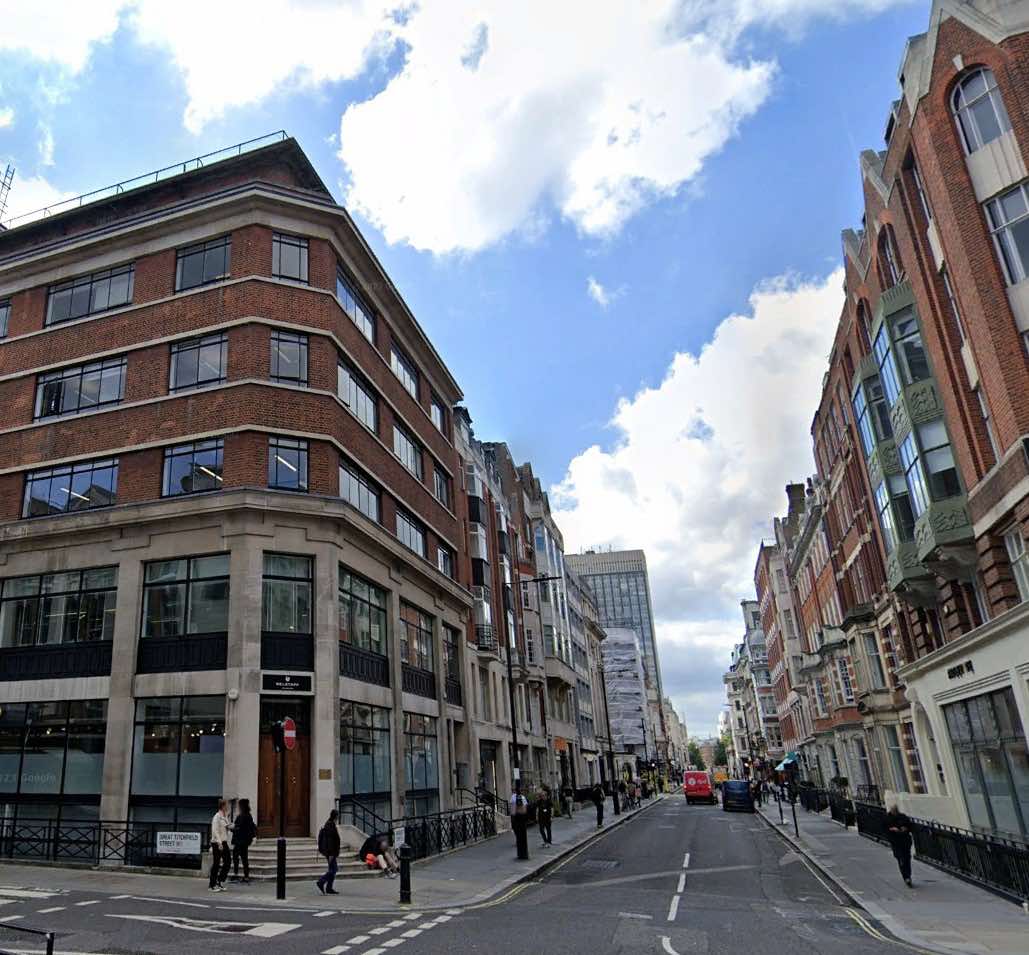
Reinstatement Cost Assessments What RICS Expects and Why It Matters
Reinstatement cost assessments are one of those things many property owners only think about when an insurer asks for one, or when premiums suddenly jump. It can feel like a box ticking exercise, especially when the building already has a market value and the insurance has always been renewed without issue.
The problem is that market value and reinstatement cost are not the same thing. If the reinstatement figure is wrong, it can lead to underinsurance, overinsurance, and difficult conversations at the worst possible time. Insurers are increasingly cautious about this, particularly in London where construction costs, access constraints, and specialist materials can push rebuild costs higher than people expect.
A reinstatement cost assessment done properly is about evidence, method, and professional standards. That is where RICS comes in. A lot of insurers and asset managers want reassurance that the figure is not a guess, and that it has been prepared in line with recognised expectations.
This is exactly the sort of work delivered through building reinstatement cost assessment services, where the aim is to produce a defensible figure that reflects the real cost of rebuilding, not a rough estimate.
What RICS is expecting when insurers ask for an assessment
When people say an assessment should be “RICS compliant”, they are normally talking about the way the figure is prepared and the standard of professional judgement behind it.
RICS surveyors are expected to follow recognised approaches to measurement, apply professional competence, record assumptions, and produce a figure that can be justified. The point is not that there is one perfect number. The point is that the number has a clear basis.
In practice, that means an assessment should be:
- Based on an inspection or a structured information set, not a generic rate
- Measured properly, not loosely estimated
- Supported by assumptions that are transparent
- Updated when material changes occur
- Prepared by a competent professional with the right experience
This is why insurers are more likely to accept a figure when it comes from a credible process, rather than from a square metre guess or a historic policy number that has been rolled forward for years.
Reinstatement cost is not the same as market value
This is where confusion starts.
Market value reflects what someone would pay for a property in its current condition, in its current location, with land value and demand built into the price.
Reinstatement cost is the cost to rebuild the structure, including associated costs, after a total loss. It is about construction, demolition, professional fees, and compliance, not the value of the land or the local property market.
A building can have a high market value because of location and scarcity, but a lower reinstatement cost because the structure is relatively straightforward to rebuild. Equally, a building can have a reinstatement cost that is higher than people expect because it is complex, constrained, or requires specialist materials.
In London, that difference can be large, particularly for older buildings, mixed use blocks, and properties with heritage features.
What a proper reinstatement cost assessment includes
A reinstatement cost assessment should include more than just a headline number.
The figure typically needs to consider the full cost of putting the building back, including:
- Demolition and site clearance
- Rebuilding costs, including structural and finishes
- Professional fees for architects, surveyors, engineers, and project management
- Compliance and statutory requirements
- Access constraints and site logistics
- Inflation and current construction market conditions
It also needs to account for the fact that rebuilding today is not the same as rebuilding ten years ago. Materials, labour, compliance requirements, and procurement lead times all affect cost.
Where projects are complex or phased, linking the assessment to real world delivery knowledge can be helpful, especially when you are also considering wider refurbishment planning supported by project management services.
Why insurers care about the detail
Insurers care because they are taking on risk based on the declared value.
If the declared reinstatement cost is too low, the property may be underinsured. In many policies, underinsurance can trigger average clauses where claim payments are reduced in proportion to the shortfall. That means a property owner can end up funding part of the reinstatement themselves, even if they believed they were covered.
If the figure is too high, premiums can be higher than necessary. Overinsurance does not usually mean higher payouts. It usually just means higher cost year after year.
Insurers also care about credibility. A figure based on a professional assessment is easier to accept than a number that appears to be arbitrary.
London specific factors that affect reinstatement cost
London rebuilds are rarely simple. Even where the building footprint is modest, the surrounding environment can add cost.
Common London factors include:
- Restricted access for deliveries and plant
- Limited working hours
- Traffic management and local authority permissions
- Neighbours and party wall constraints
- Scaffolding complexity
Waste removal and logistics - Need for specialist trades in heritage settings
Where party wall issues may affect how rebuilding is planned and delivered, it is often useful to consider how party wall matters can influence programme and cost exposure, particularly on tight urban sites.
When you should update a reinstatement cost assessment
Even if insurers are not asking for it every year, reinstatement cost assessments should not sit untouched for long periods.
It is usually sensible to review an assessment:
- Every three years as a baseline
- After major refurbishment or extension works
- After significant changes in construction cost conditions
- When insurers request updated evidence
- When property use changes in a way that affects build complexity
If a building has undergone alterations, or the specification has changed significantly, an old figure can quickly become unreliable.
What happens when the figure is wrong
When reinstatement costs are wrong, the consequences can show up in different ways.
Some owners only notice when premiums rise because insurers question the basis of the figure. Others only discover the problem after a loss, when the rebuild cost is far higher than expected.
Even without a major incident, inaccurate values can create slow financial drain through excess premiums or create risk exposure through underinsurance.
This is why professional reinstatement cost assessment services matter. The cost of the assessment is usually small compared to the cost of getting the number wrong over time.
How F and T approaches reinstatement cost assessments
A good assessment should not feel like guesswork. It should feel like a figure you can defend.
Fresson and Tee provides building reinstatement cost assessments that are based on inspection, proper measurement, and clear assumptions, producing values that reflect real reinstatement exposure.
Where a property is complex, constrained, or has heritage sensitivity, linking assessment work to wider building knowledge such as historic building conservation expertise can help ensure the reinstatement figure reflects specialist materials and methods rather than generic rates.
If you would like to discuss more about construction consultants and contractors in London, please call our office on 020 7391 7100 or email us at surveyor@fandt.com.