Architect vs Architectural Designer: What’s the Difference in London?

Architect vs Architectural Designer: What’s the Difference in London?

Many People Confuse the Two – But the Difference Matters More Than You Think

In a busy, regulation-heavy city like London, the person you choose to design your space can have a huge impact on time, cost, planning success, and peace of mind. While the terms architect and architectural designer are often used interchangeably, they’re not the same job – and they don’t come with the same training, legal status, or accountability.
So how do you know which one you need for your project? Let’s break it down.

What Is an Architect?

In the UK, the title “architect” isn’t just a job label – it’s a protected legal designation. That means only people who have completed a rigorous, multi-stage education and registration process can call themselves one.

To become an architect, someone must:

  • Complete 5+ years of formal architectural education (typically RIBA Part 1, 2 and 3)
  • Work under supervision for a minimum of two years
  • Pass a final qualifying exam (ARB recognised)
  • Register with the Architects Registration Board (ARB)
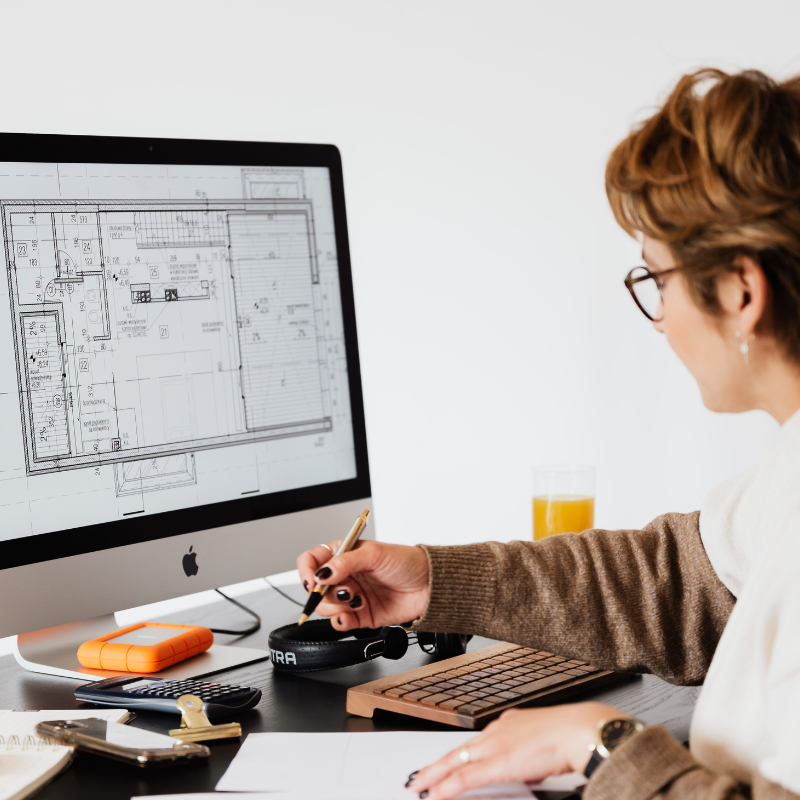
Architect vs Architectural Designer

Once qualified, they’re legally accountable for the quality and safety of the work they produce and are bound by a code of professional conduct.

In real terms, a London architect can:

  • Design your project to a high standard
    Guide you through complex planning approvals
  • Liaise with structural engineers, surveyors, and builders
  • Ensure your designs meet strict local building and safety regulations
  • Take responsibility for the full architectural process from concept to completion

You’re not just getting someone with design skills – you’re hiring a trained, regulated professional who understands how London works.

So What Is an Architectural Designer?

Unlike “architect,” the term “architectural designer” is not legally protected. Anyone can use it – whether they’ve studied design or not. That doesn’t mean all designers are unqualified or inexperienced, but it does mean you need to do your research.

Some architectural designers in London are highly skilled, with design degrees or technical drawing experience. Others may focus more on concept visuals, extensions, or interior space planning. Many work under architects or as part of wider building consultancy teams.

However, most cannot:

  • Submit complex planning applications independently
  • Sign off on technical or structural changes
  • Be held legally accountable for architectural errors
  • Offer the same level of assurance in insurance, contracts or regulation compliance
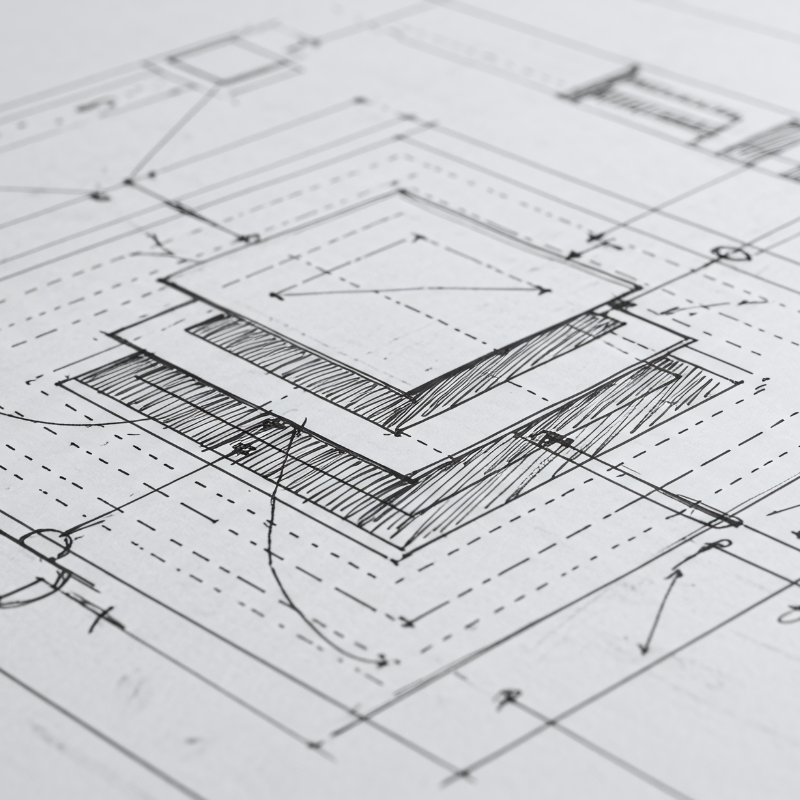
Architectural Designer

Real-World Example: London Planning Permission

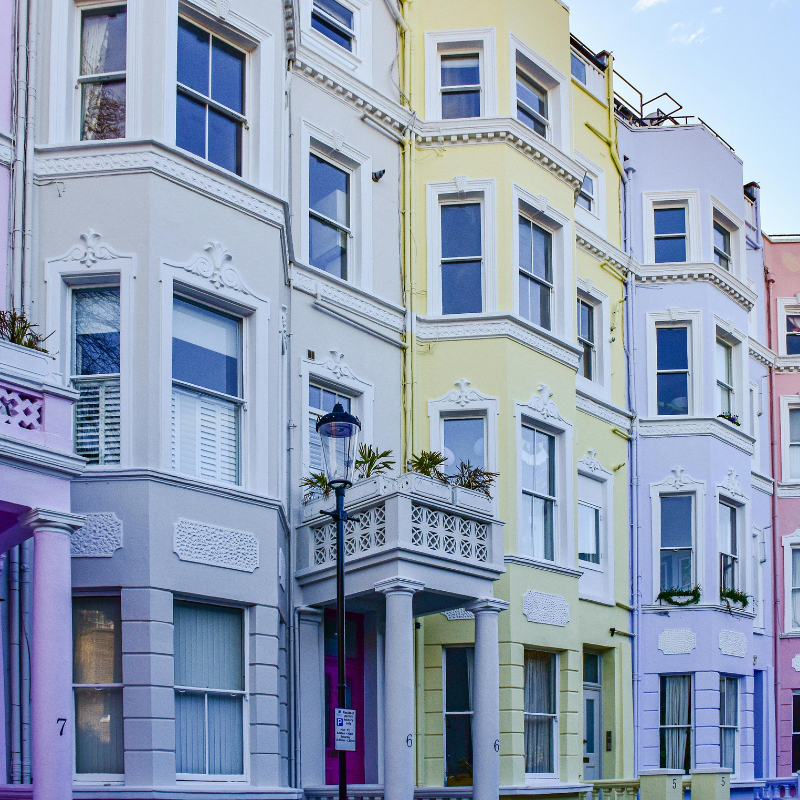
Real world planning

Let’s say you’re converting a townhouse in Islington into flats.

You’ll need:

  • Detailed elevation drawings
  • A strong case for planning
  • Understanding of daylighting, fire safety, and amenity space
  • A knowledge of local planning constraints (heritage, Article 4 directions, etc.)
  • Someone to speak with the council on your behalf

A registered architect has the training and professional standing to handle this. A designer may be able to support the visual and layout side of the project, but likely won’t have the credentials to see it through independently.

What About Costs?

Architectural designers often charge less than architects – which makes them appealing for simple home projects. If you just want to explore design ideas or visual layouts, that might be enough.

But cost shouldn’t be your only consideration. In London, where planning rules vary dramatically from one borough to the next, investing in an architect often saves time, money, and stress in the long run.

Mistakes in planning drawings, poor understanding of building regs, or lack of experience in dealing with structural issues can cause delays, refusals, or worse – costly construction errors that need fixing later.

Do You Always Need an Architect?

Not always.

If you’re redesigning a kitchen layout, making non-structural changes, or just want help with visualising ideas, an experienced designer may be the right fit.

But if you’re doing any of the following, you likely need an architect:

  • Extensions (especially in conservation areas)
  • Loft or basement conversions
  • Listed building works
  • Full-scale property redevelopments
  • Commercial to residential conversions
  • Projects involving structural change or multi-party approvals

Why It Matters in London

London is home to some of the UK’s toughest planning conditions. There are more than 30 boroughs, each with its own unique rules, conservation areas, and local planning authority quirks. Knowing how to navigate those systems isn’t just about design flair – it’s about understanding policy, negotiation, and risk management.

A qualified architect brings all of that experience to the table, while a designer may not.

How Freeson & Tee Can Help


At F&T, we offer the best of both worlds.

Our architectural team is led by ARB-registered architects, but we also work with experienced designers and technical consultants to deliver a collaborative, efficient, and cost-effective service.

We work on:

  • High-end residential refurbishments
  • Listed building upgrades
  • Multi-unit developments
  • Office-to-residential conversions
  • Planning, design, and project management all under one roof
Better Collaboration

That means you get:

  • Advice tailored to London borough requirements
  • Clear, practical design options
  • Strong project coordination between disciplines
  • A team that can speak with your local authority and contractors directly

You don’t need to guess whether you need an architect or designer – we make sure you get the right support at the right time.

Final Thought: Choose the Right Person, Not Just the Right Title

Titles matter. But experience, accountability, and local knowledge matter even more. In London, where so many projects depend on tight planning policies, structural safety, and legal compliance, choosing a qualified professional can be the difference between success and setback.

If you’re not sure what your project needs, we’re happy to talk it through with no obligation.

If you would like to discuss more about construction consultants and contractors in London, please call our office on 020 7391 7100 or email us at surveyor@fandt.com.

Read More >

Architectural Design for London Refurbishments

Designing for Function and Form: Architectural Considerations in London Refurbishments

Why Architectural Design Matters in a City Like London

Function Comes First, But It Doesn’t Stop There

Working with What You’ve Got

Joined-Up Teams Make Design Stronger

Designing for Function and Form

Architectural design in London isn’t just about creating something beautiful. It’s about making buildings work. That could mean adapting an old structure for new use, improving energy efficiency without changing a façade, or finding space where there doesn’t seem to be any.

In refurbishment projects, good design does two things at once. It respects what’s already there, and it creates something that fits the way people live, work or move through the space now.

Why Architectural Design Matters in a City Like London

Architectural Design Matters

Refurbishing buildings here comes with layers of complexity. Space is tight. Planning rules are strict. Many buildings are listed, or sit in conservation areas. The people using them rarely stop just because work has started.

Designers need to think ahead. How will people move through the building while it’s being updated? Can you bring in natural light without changing the external structure? Is it possible to meet today’s fire regulations in a space built for another era?

None of this can be solved with guesswork. It takes local knowledge, careful planning and a design process that puts use first.

Function Comes First, But It Doesn’t Stop There

Some refurbishments are about restoring a building to what it once was. Others need a complete rethink. Either way, the end result has to do more than just look good on a drawing.

What gets considered in a functional design

  • Where people enter and exit the building

  • How services like heating and lighting will be upgraded

  • What the building will be used for, and how often

  • How long materials will last in high-use areas

  • Where light and sound will travel once people are inside

Design is not just about space. It’s about flow. It’s about avoiding narrow corridors that bottleneck at peak hours, or choosing materials that won’t need replacing within a year.

Function Comes First

Working with What You’ve Got

Very few London refurbishments start with a blank canvas. There might be original features that need to stay. Some walls can’t be moved. Access is often limited. The job isn’t to start over. It’s to find smart ways to make something work better without losing what makes it unique.

Working with What You’ve Got

Designers often have to find creative solutions, like:

  • Fitting out new layouts without changing external wall
  • Making structural changes without damaging period details
  • Bringing in modern services while hiding visible disruption

This kind of work relies on understanding how buildings were put together in the first place. It also relies on close collaboration with surveyors, project managers and engineers who know how to deliver those ideas in practice.

    Joined-Up Teams Make Design Stronger

    At Fresson and Tee, architectural design is part of a bigger picture. Our design team works directly with the people managing the build, assessing risks, setting budgets and dealing with planning conditions. That means we can spot issues early and find practical ways to keep things moving.

    When the architects, surveyors and project managers all work together from the start, design becomes a tool for solving problems, not just expressing ideas.

    If you would like to discuss more about construction consultants and contractors in London, please call our office on 020 7391 7100 or email us at surveyor@fandt.com.

    Read More >

    Construction Consultant vs Contractor London

    The Difference Between London Construction Consultants and Contractors

    What a Construction Consultant Does

    What a Construction Contractor Does

    Key Differences That Matter

    Why It Matters on London Projects

    Construction Consultant

    In construction, there are two roles that people often confuse. One helps plan and manage everything behind the scenes. The other builds it. Both are essential, but if you’re managing a property project in London, knowing the difference can save you time, money and stress.

    Construction consultants and construction contractors work on the same projects, but they do very different things.

    What a Construction Consultant Does

    A construction consultant helps guide a project from the start. They’re usually involved early on and work on the client’s behalf. Their job is to make sure the project runs smoothly, stays within budget, and meets all the necessary requirements.

    Construction Consultant

    Typical responsibilities

    • Reviewing the feasibility of the project

    • Helping the client develop a clear brief

    • Managing costs and risk

    • Coordinating the design process

    • Overseeing tenders and contracts

    • Monitoring progress and keeping everything on track

    At Fresson and Tee, this is where we come in. We work with clients from day one to shape their project, navigate regulations and act as a single point of contact throughout.


    What a Construction Contractor Does

    Once the project is ready to be built, the contractor steps in. This is the team responsible for physically carrying out the construction work on site. They follow the design and scope agreed earlier and bring the project to life.

    Contractors handle:

    • Setting up the site
    • Hiring and managing trades
    • Ordering materials
    • Running the day-to-day work on site
    • Meeting health and safety requirements
    • Delivering the finished build

    They do not design or manage the client’s overall interests. They work to a contract and are paid to deliver specific tasks.

    Construction Contractor

    Key Differences That Matter

    The roles may overlap during construction, but they serve different functions and are accountable for different things.

    Key Differences That Matter

    Who they report to

    • Consultants work for the client directly
    • Contractors deliver the job the client has asked for

    When they get involved

    • Consultants join at the start, before any work begins
    • Contractors come in once the design is ready and approvals are in place

    What they focus on

    • Consultants focus on planning, compliance, cost and quality
    • Contractors focus on the physical build and delivering the end result

    Why It Matters on London Projects

    In London, building projects are rarely simple. You might be working in a listed building, dealing with tight access, or needing to keep the building in use during the work. Having a consultant on board helps plan for these things early, so the contractor has everything they need to deliver safely and efficiently.

    Clients who treat contractors as consultants can run into problems. Designs might not be fully resolved, costs might be unclear, or critical permissions might be missing. That leads to delays, disputes or budget creep.

    At Fresson and Tee, our job is to keep that from happening. We work with clients to plan everything clearly and manage the project properly from start to finish.

    If you would like to discuss more about construction consultants and contractors in London, please call our office on 020 7391 7100 or email us at surveyor@fandt.com.

    Read More >